How to Manage Anxiety: 10 Evidence-Based Techniques
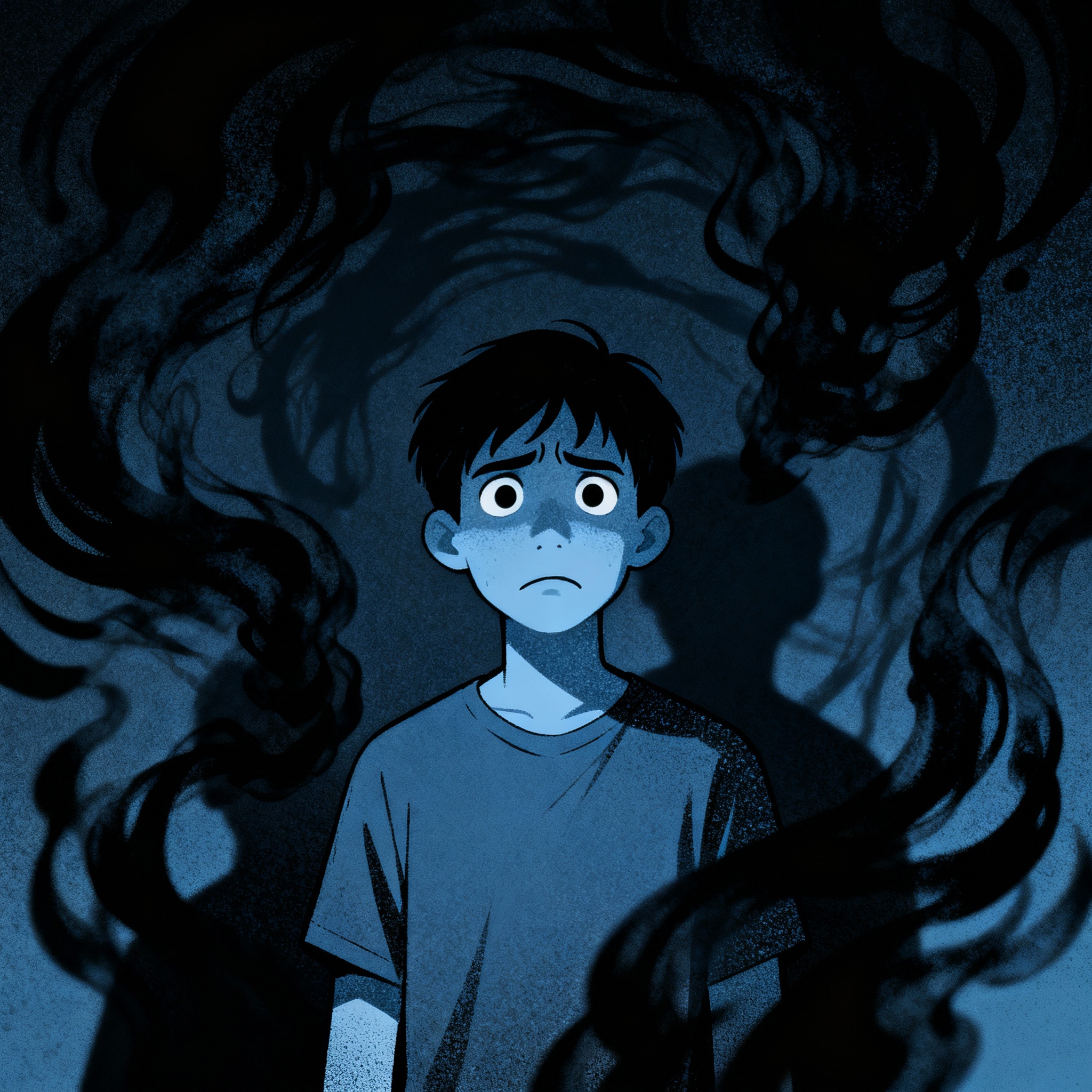
Anxiety is the most treatable mental health condition, and the techniques in this guide are the same ones used by clinical psychologists worldwide. The key is consistency — no single technique works in isolation, and building a toolkit of strategies dramatically improves outcomes. If you have been wondering how to stop overthinking or what to do when you feel anxious in the moment, steps 3 and 4 below are the most immediately effective.
💡 Avoidance is the fuel of anxiety. The more you avoid anxiety-provoking situations, the more your brain learns they are dangerous. Gradual, supported exposure — even tiny steps — is the most powerful long-term anxiety treatment.
Why These Techniques Work: The Science
Anxiety is driven by the brain's threat detection system — primarily the amygdala — firing a false alarm. The physiological response (racing heart, shallow breathing, muscle tension) is real, but the danger is often not. Every technique in this guide works by interrupting some part of that cycle: calming the nervous system, challenging the threat appraisal, or breaking the avoidance loop that maintains anxiety over time.
The evidence base is robust. Cognitive Behavioural Therapy (CBT) — which underpins most of these techniques — has more clinical trial support than any other psychological intervention for anxiety. The NHS, APA and WHO all recommend CBT as a first-line treatment. In India, CBT-based digital interventions are showing comparable outcomes to in-person therapy for mild to moderate anxiety.
10 Evidence-Based Anxiety Management Techniques
1. 4-7-8 Breathing
Inhale through your nose for 4 counts, hold your breath for 7 counts, then exhale slowly through your mouth for 8 counts. Repeat 4 times. The extended exhale is the key mechanism — it engages the vagus nerve and activates the parasympathetic ("rest and digest") nervous system, counteracting the fight-or-flight response within 2 minutes.
This technique is particularly useful for acute anxiety episodes — before presentations, during examinations, in conflict situations, or at night when anxious thoughts prevent sleep. It requires no equipment, costs nothing, and can be done invisibly in any setting.
2. The 5-4-3-2-1 Grounding Technique
When anxiety creates a spiral of "what if" thoughts that feel overwhelming, grounding breaks the cycle by pulling attention into the present moment through your senses. Name 5 things you can see, 4 you can physically touch, 3 sounds you can hear, 2 things you can smell, and 1 thing you can taste. Take your time with each.
Grounding works because anxious thoughts are almost always about the future — catastrophic predictions. Sensory awareness is inherently present-moment. You cannot be fully engaged with what you can see and hear right now, and simultaneously be catastrophising about tomorrow. The technique interrupts the anxiety spiral at the cognitive level.
3. Challenge the Anxious Thought (CBT Thought Record)
CBT's core insight is that anxiety is maintained by biased thinking patterns — catastrophising, overestimating danger, underestimating your ability to cope. The thought record technique makes these patterns visible and testable. When an anxious thought arises, ask: What is the evidence FOR this thought? What is the evidence AGAINST it? What is the most realistic outcome? What would I tell a close friend who had this thought?
This is not about forcing positivity — it is about accuracy. Most anxious predictions are worse than what actually happens. Regularly documenting and testing your predictions builds a realistic evidence base that gradually reduces the brain's tendency to catastrophise. The Mentis CBT chatbot guides you through this process step by step.
4. Scheduled Worry Time
Designate a specific 20-minute period each day as your "worry time" — ideally not within 2 hours of bedtime. When anxious thoughts arise outside this window, note them briefly in a list and consciously postpone them: "I'll think about that at 6pm." During your worry time, open the list and engage with each concern properly.
This technique sounds counterintuitive but is supported by research. It reduces the constant background intrusion of anxious thoughts without suppressing them (which backfires). Over time, the brain learns that worry has a container — which reduces its urgency the rest of the day. Many people find worries feel less significant by the time worry time arrives.
5. Progressive Muscle Relaxation (PMR)
Anxiety is held in the body as muscle tension — often without conscious awareness. PMR systematically releases this tension by alternately tensing and relaxing muscle groups from your feet to your face. Tense each group for 5–7 seconds, then release for 20–30 seconds, noticing the contrast between tension and relaxation.
Research shows a single session of PMR significantly reduces cortisol and anxiety. Daily practice for 4 weeks produces lasting reductions in baseline anxiety. PMR is particularly useful before sleep, during exam preparation, and for people whose anxiety manifests primarily as physical tension (headaches, shoulder pain, stomach tightness).
6. Reduce Caffeine and Alcohol
Caffeine directly stimulates the sympathetic nervous system — the same system that drives the anxiety response. For anxiety-prone individuals, even moderate caffeine intake can maintain a persistent state of physiological arousal that makes anxiety more likely and more intense. Reducing or eliminating caffeine often produces a noticeable reduction in baseline anxiety within one week.
Alcohol is similarly counterproductive despite feeling calming in the short term. Alcohol disrupts sleep architecture, increases cortisol the following day (the "hangover anxiety" effect), and depletes GABA — the neurotransmitter that normally provides a brake on anxiety. For people with anxiety, alcohol is a reliable anxiety amplifier the morning after.
7. Regular Aerobic Exercise
Thirty minutes of moderate aerobic exercise — brisk walking, cycling, swimming, dancing — produces a 6–8 hour reduction in anxiety by metabolising adrenaline and cortisol (the chemicals anxiety produces) and increasing GABA and endorphins. Regular exercise (4–5 times per week) produces structural changes in the brain that reduce anxiety over months.
A meta-analysis of 49 studies found exercise as effective as medication for anxiety in the long term, with no side effects. In India, barriers to exercise include cost, safety (particularly for women exercising outdoors) and time. A 30-minute daily walk — even broken into smaller segments — is a sufficient and accessible starting point.
8. Sleep Prioritisation
Sleep deprivation increases the amygdala's anxiety response by up to 60%, according to research at UC Berkeley. After a night of poor sleep, the brain is significantly more likely to appraise neutral situations as threatening. Protecting your sleep — aiming for 7–9 hours, maintaining consistent sleep and wake times, and avoiding screens before bed — is one of the highest-leverage anxiety management interventions available.
The relationship between anxiety and sleep is bidirectional: anxiety disrupts sleep, and poor sleep worsens anxiety. Breaking this cycle often requires addressing both simultaneously — using relaxation techniques (PMR, 4-7-8 breathing) to help with sleep onset, and sleep hygiene practices to improve sleep quality.
9. Build Your Support Network
Sharing your anxiety with a trusted person reduces its intensity through co-regulation — a neurobiological process where the presence and calm of another person literally changes your physiological state. Social connection activates the ventral vagal system and releases oxytocin, which directly counteracts cortisol and adrenaline.
In India, cultural pressures to appear strong and not burden others can make this difficult. But isolation consistently worsens anxiety. Even a 10-minute phone call with a trusted person can meaningfully reduce acute anxiety. If personal relationships feel insufficient, iCall (9152987821) provides free telephone counselling, and the Mentis chatbot is available 24/7.
10. Track, Measure, and Adapt
One of the most effective — and most overlooked — anxiety management strategies is systematic tracking. Daily logging of your anxiety level (1–10), sleep quality, exercise, caffeine intake and significant events reveals patterns you would never notice otherwise. Which days are consistently worse? What happened the day before high anxiety days? What reliably improves your baseline?
The Mentis mood tracking feature takes under 60 seconds and builds this data automatically. Combined with the personalised AI plan, your tracked data informs which activities and techniques are recommended for your specific anxiety patterns.
How to Stop Overthinking: Breaking the Rumination Loop
One of the most common searches related to anxiety is how to stop overthinking — and it is also one of the most misunderstood. Most advice to "just stop thinking about it" ignores the fact that thought suppression makes rumination worse (the famous "don't think of a white bear" experiment). Overthinking is not a discipline problem; it is the brain's default threat-monitoring system stuck in the on position.
Signs you are overthinking include: replaying conversations long after they ended; imagining worst-case scenarios in detail before an event; feeling exhausted despite not doing anything physically demanding; difficulty making even small decisions; lying awake at night unable to quiet your mind. Paralysis by analysis is a specific form — where the weight of options and possible outcomes makes it impossible to choose anything, which then triggers more anxiety.
Evidence-based techniques that directly target rumination:
- Engagement, not distraction — Getting absorbed in an activity (cooking, a conversation, a creative task) is more effective than passive distraction (scrolling) because it competes with rumination for cognitive resources. Passive screen use often leaves enough mental bandwidth for worrying to continue in the background.
- Scheduled worry time (Technique 4 above) — Contains overthinking rather than fighting it directly
- Journaling for overthinking — The act of writing externalises the thought loop, satisfying the brain's need to "hold onto" the worry without replaying it constantly in working memory
- The "5-year test" — Ask: will this matter in 5 years? For most day-to-day rumination, the honest answer is no. This is not dismissing your concerns — it is providing accurate perspective.
- Mindfulness for overthinking — Specifically noting "I am having the thought that..." creates a slight cognitive distance between you and the thought, reducing its intensity and interrupting the identification with it
Rumination disorder (technically more associated with a specific eating-related condition but colloquially used for chronic overthinking) and clinical-level rumination are distinct from everyday worry — if your overthinking is causing significant distress daily, it is worth addressing with a professional, not just self-help techniques.
Anxiety Management in the Indian Context
Anxiety in India is shaped by specific pressures: intense academic competition (JEE, NEET, board exams), family expectations, financial stress, workplace pressure in sectors like IT and finance, and the particular anxiety of navigating traditional and modern expectations simultaneously. These are real stressors — not imaginary — and managing them requires both the practical techniques above and, where possible, systemic changes.
Stigma around anxiety in India means many people suffer alone, believing their symptoms are weakness or character flaws rather than a treatable condition. They are not. Anxiety disorders are among the most common and most treatable mental health conditions, and seeking help — whether through an app, a counsellor or a crisis line — is a sign of self-awareness, not failure.
When to Seek Professional Help
These techniques are most effective for mild to moderate anxiety. Seek professional help when anxiety is significantly impairing work, relationships or daily activities; when you have panic attacks; when you are avoiding increasingly large areas of life; or when you are using alcohol or substances to manage anxiety. iCall (9152987821) offers free counselling and can refer you to specialists. The Mentis CBT chatbot is a useful complement to professional care for mild to moderate anxiety.
Frequently Asked Questions
What is the fastest way to stop anxiety in the moment?
Controlled breathing is the fastest physiological intervention. The 4-7-8 technique or box breathing (4-4-4-4) can reduce anxiety within 2 minutes by activating the parasympathetic nervous system. The 5-4-3-2-1 grounding technique is equally fast for breaking a spiral of anxious thoughts.
Can anxiety be managed without medication?
Yes — for mild to moderate anxiety, CBT, breathing exercises, progressive muscle relaxation, regular exercise and sleep hygiene are highly effective. Multiple clinical trials show CBT is as effective as medication for anxiety disorders, with better long-term outcomes. For severe anxiety disorders, a combination of therapy and medication is often most effective.
How long does it take to manage anxiety?
With consistent practice, most people notice meaningful improvement within 6–8 weeks. The critical factor is consistency — daily practice of even one or two techniques produces better outcomes than occasional intensive efforts.
What makes anxiety worse?
The most powerful anxiety amplifiers are: avoidance (which reinforces the brain's threat signal), poor sleep (amygdala reactivity up to 60% higher), high caffeine intake, alcohol (worsens anxiety the next day through cortisol rebound), and social isolation. In India, academic and family pressure, financial stress and stigma around help-seeking also significantly amplify anxiety.
When should I seek professional help for anxiety?
Seek professional help when anxiety is significantly impairing your daily functioning for more than two weeks, or when you have panic attacks, are avoiding large areas of life, or using substances to cope. iCall (9152987821) offers free telephone counselling and can provide referrals to anxiety specialists.
Why do I overthink everything, and how do I stop?
Overthinking is a feature of anxious brains that have learned hyper-vigilance as a coping strategy — the mind generates "what if" scenarios in an attempt to prepare for every possible outcome and feel in control. It backfires because most of what we overthink never happens, and the mental rehearsal of bad outcomes makes anxiety worse, not better. Effective techniques: scheduled worry time, journaling to externalise thoughts, engagement in absorbing activities, and CBT thought records to examine the actual evidence for feared outcomes.
How do I stop negative thoughts?
Trying to forcibly stop a thought makes it stronger (thought suppression). Instead, the CBT approach is to notice the thought without engaging with it ("I'm having the thought that..."), examine it like evidence in a case rather than fact ("what's the actual evidence for this?"), and replace catastrophic interpretations with accurate ones. Over time, this reduces the frequency and intensity of negative automatic thoughts — not by suppression, but by no longer finding them credible.