Anxiety: Symptoms, Causes and How to Manage It
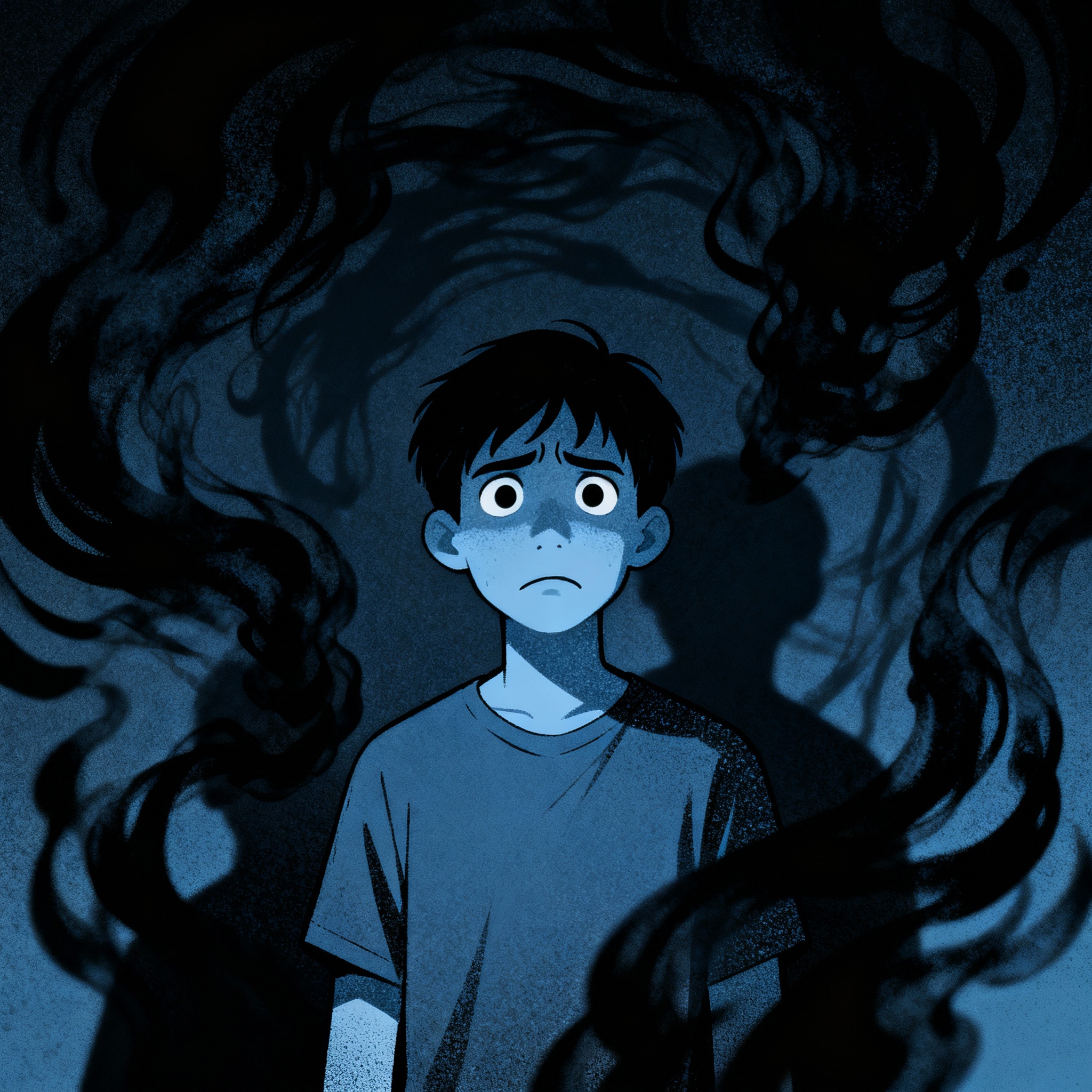
Anxiety is the most common mental health condition in the world — and in India, it affects an estimated 45 million people. While anxiety is a normal and sometimes helpful emotion, anxiety disorders occur when worry becomes persistent, excessive and interferes with daily life. If you find yourself wondering why you feel anxious all the time, or struggling to stop overthinking at night, you are not alone — and the evidence-based approaches on this page can make a real difference.
What Is High-Functioning Anxiety?
One of the most commonly searched anxiety topics right now is high-functioning anxiety — and it often goes unrecognised precisely because the person looks fine from the outside. High-functioning anxiety describes people who appear productive, organised and driven, while internally managing constant worry, self-doubt and the fear that everything is about to go wrong. They often over-prepare, over-apologise and over-explain. They rarely miss deadlines — but lie awake re-running conversations from three weeks ago. If this resonates, you are not imagining it. High-functioning anxiety is real, it is exhausting, and it is treatable.
Types of Anxiety Disorders
- Generalised Anxiety Disorder (GAD) — Persistent, uncontrollable worry about many different areas of life
- Social Anxiety Disorder — Intense fear of social situations and judgment by others
- Panic Disorder — Recurrent unexpected panic attacks with fear of future attacks
- Specific Phobias — Intense fear of specific objects or situations
- Health Anxiety — Excessive worry about having a serious illness
- Performance Anxiety — Fear of failing, being judged, or embarrassing yourself in high-stakes situations
Common Anxiety Symptoms
Physical: Racing heart, shallow breathing, muscle tension, sweating, trembling, fatigue, sleep problems, stomach upset.
Psychological: Constant worry, difficulty concentrating, irritability, feeling on edge, catastrophic thinking, avoidance of feared situations.
What Causes Anxiety?
Anxiety arises from a complex interaction of genetics, brain chemistry, life experiences and personality. In India, specific factors like academic pressure, financial insecurity, family expectations, and urban stress contribute significantly to anxiety prevalence. The COVID-19 pandemic further increased anxiety rates by 25% globally.
Why Does Anxiety Feel Worse in the Morning?
Morning anxiety is one of the most searched anxiety-related topics — and it has a straightforward biological explanation. Cortisol (the body's primary stress hormone) naturally peaks in the first 30–45 minutes after waking as part of the cortisol awakening response. For people with anxiety, this hormonal surge amplifies anxious thoughts before the day has even started. If you regularly wake up with a racing heart, catastrophic thoughts, or a feeling of dread before you even check your phone, that is morning anxiety — and it is extremely common in India among students and professionals. Keeping a regular sleep schedule and avoiding your phone for the first 20 minutes of the morning significantly reduces morning cortisol spikes.
Nervous System Regulation and Anxiety
A growing body of research — and a major search trend in 2026 — is nervous system regulation as an approach to anxiety. When you are chronically anxious, your nervous system is stuck in a low-level "threat detected" mode, making calm feel unnatural and rest feel impossible. Nervous system regulation techniques work by directly targeting the physiological state: breathwork for anxiety (particularly box breathing and 4-7-8 breathing) activates the vagus nerve, signalling to the brain that the threat has passed. Progressive muscle relaxation, cold water on the face, humming, and gentle movement all achieve similar effects. These techniques do not replace CBT — they make it easier to apply CBT when the nervous system is calm enough to engage rational thinking.
Evidence-Based Treatments
- Cognitive Behavioural Therapy (CBT) — The gold standard for anxiety. Teaches you to identify and challenge anxious thoughts and gradually face feared situations.
- Mindfulness-Based Therapy — Reduces reactivity to anxious thoughts through present-moment awareness.
- Nervous System Regulation — Breathwork, grounding techniques and somatic practices to bring the body out of the fight-or-flight response.
- Medication — SSRIs, SNRIs and other medications prescribed by a psychiatrist for moderate to severe anxiety.
- Lifestyle interventions — Regular exercise reduces anxiety symptoms by up to 48% according to research. Managing anxiety without medication is possible for mild to moderate cases through CBT, breathwork and lifestyle changes combined.
💙 Anxiety is highly treatable. With appropriate support, the vast majority of people with anxiety disorders experience significant improvement.
How Mentis Helps with Anxiety
Mentis was specifically designed to support anxiety management using CBT. The AI chatbot guides you through cognitive restructuring — identifying anxious thoughts and examining the evidence for and against them. Daily activities include breathing exercises, grounding techniques, and gradual exposure tasks. The mood tracker lets you track your anxiety level daily to see whether your coping strategies are working. Read our complete guide to managing anxiety for practical steps. For anyone asking "I feel anxious — what should I do right now?", the Mentis app provides immediate guided breathing exercises, a CBT chatbot to work through the anxious thought, and a daily plan to build long-term resilience. It is free to download and available 24/7.