Understanding Anxiety: Types, Symptoms, Causes, Consequences and Treatment in India
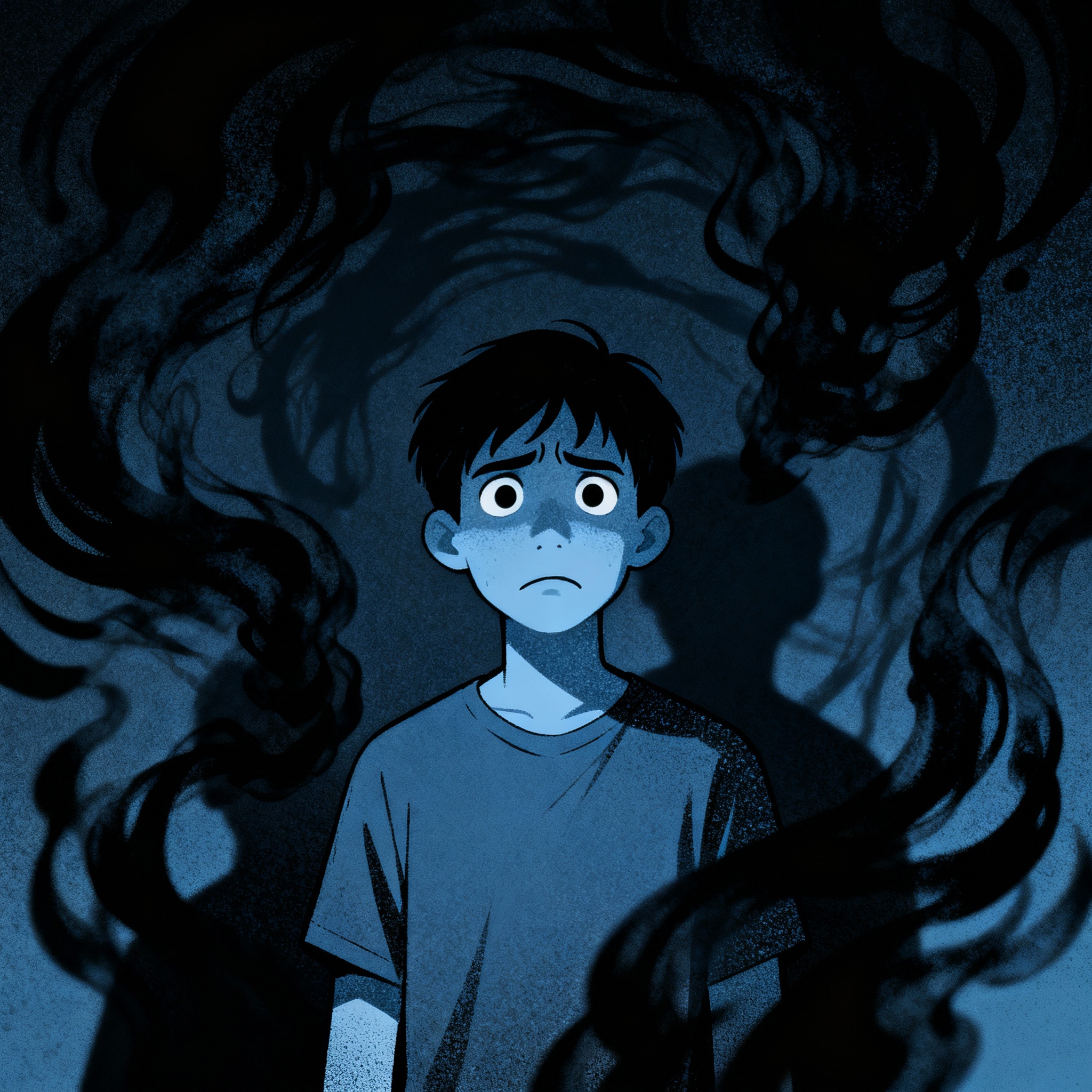
Anxiety is a natural human response to perceived threat — a survival mechanism honed over millennia. The problem arises when this alarm system becomes oversensitive, firing repeatedly in response to situations that are not genuinely dangerous, or persisting long after a stressor has passed. At that point, anxiety stops being protective and starts being a disorder that significantly disrupts life. This comprehensive guide covers everything you need to know about anxiety disorders — what they are, how to recognise them, why they develop, how they affect your life, and most importantly, how to treat them.
What Is an Anxiety Disorder?
An anxiety disorder is a clinical mental health condition characterised by persistent, excessive fear or worry that is disproportionate to the actual situation and that significantly impairs daily functioning. Anxiety disorders are distinct from the normal nervousness most people feel before an exam, job interview or medical procedure. With disorders, the anxiety is:
- Excessive — far out of proportion to the actual risk or threat
- Persistent — lasting weeks, months or years rather than resolving when a stressor passes
- Impairing — significantly affecting work, relationships, studies or daily activities
- Hard to control — the person knows the worry is excessive but cannot switch it off
Anxiety disorders are the most common category of mental health conditions worldwide. They are highly treatable, yet millions of people suffer for years without seeking help — often because of stigma, lack of awareness, or not recognising the symptoms as a treatable condition.
Anxiety in India: Key Statistics
Anxiety disorders are the most prevalent mental health condition in India, affecting an estimated 40 million adults — approximately 18% of the population, according to the National Mental Health Survey (NMHS) 2015–16. Key facts for India:
- Only 36.9% of people with anxiety disorders in India receive any form of treatment
- Women are twice as likely as men to be diagnosed with an anxiety disorder
- Anxiety disorders are more prevalent among young adults aged 18–35, a period of high academic and career pressure in India
- Urban India reports higher rates than rural areas, with metropolitan cities showing rates above 22%
- The treatment gap — the difference between the number of people who need care and those who receive it — remains above 63% in India
- Stigma, cost, and lack of mental health professionals (India has fewer than 0.3 psychiatrists per 100,000 people) are the leading barriers to treatment
Types of Anxiety Disorders
The term "anxiety disorder" covers several distinct conditions, each with its own pattern of fears and avoidance behaviours.
Generalised Anxiety Disorder (GAD)
GAD involves persistent, excessive worry about multiple areas of life — work performance, health, finances, relationships, minor daily matters — that the person finds very difficult to control. Unlike targeted phobias, GAD's worry jumps from topic to topic. Diagnosis requires symptoms for at least six months.
Social Anxiety Disorder (Social Phobia)
An intense, persistent fear of social situations where one might be judged, embarrassed or rejected. People with social anxiety often avoid social events, public speaking, meeting new people, eating in public, or using public toilets. It is one of the most under-diagnosed conditions in India due to cultural norms around introversion.
Panic Disorder
Characterised by recurrent unexpected panic attacks — sudden surges of intense fear with physical symptoms (racing heart, chest pain, shortness of breath, dizziness) that peak within minutes — and persistent fear of having another attack. People often mistake panic attacks for heart attacks, leading to repeated hospital visits.
Specific Phobias
Intense, irrational fear of a specific object or situation: heights (acrophobia), flying (aviophobia), blood/injections, dogs, enclosed spaces (claustrophobia), or spiders. The fear is recognised as excessive, but exposure still triggers significant anxiety.
Separation Anxiety Disorder
Though commonly associated with children, separation anxiety disorder can affect adults. It involves excessive fear about being separated from an attachment figure, leading to significant distress and avoidance of situations requiring separation.
Agoraphobia
Fear and avoidance of situations where escape might be difficult or help unavailable during a panic attack — public transport, open spaces, crowds, being alone outside home. Severe agoraphobia can lead to complete housebound behaviour.
Signs and Symptoms of Anxiety
Anxiety manifests across physical, emotional, cognitive and behavioural dimensions. Recognising these signs early is key to getting timely help.
Physical Symptoms
- Racing or pounding heartbeat (palpitations)
- Shortness of breath or a feeling of being unable to breathe deeply
- Chest tightness or pressure
- Excessive sweating, particularly in social situations
- Trembling or shaking hands
- Nausea, stomach upset or diarrhoea
- Dizziness or light-headedness
- Muscle tension, aches or stiffness — particularly in shoulders and neck
- Headaches, especially tension headaches
- Fatigue despite adequate sleep
- Dry mouth
- Frequent urge to urinate
Emotional and Psychological Symptoms
- Persistent sense of dread or apprehension
- Feeling constantly "on edge" or wound up
- Irritability and short temper
- Overwhelming sense that something terrible is about to happen
- Feeling detached from yourself (depersonalisation) or the world (derealisation)
- Low mood coexisting with anxiety
- Fear of losing control or "going crazy"
Cognitive Symptoms
- Catastrophic thinking ("the worst will definitely happen")
- Overestimation of threat ("this situation is very dangerous")
- Mind reading ("everyone is judging me negatively")
- Difficulty concentrating or mental blanking
- Hypervigilance — constantly scanning the environment for threats
- Intrusive "what if" thoughts that are hard to dismiss
- Memory difficulties due to constant preoccupation
Behavioural Symptoms
- Avoidance of feared situations, places or people
- Seeking repeated reassurance from others
- Procrastination driven by fear of failure or judgment
- Social withdrawal and isolation
- Increased use of alcohol, tobacco or other substances to manage anxiety
- Over-preparation or excessive checking before any activity
- Restlessness — difficulty sitting still or relaxing
Causes of Anxiety Disorders
Anxiety disorders do not have a single cause. They typically arise from an interaction of biological predisposition, psychological history and environmental stressors.
Biological Factors
- Brain chemistry: Imbalances in neurotransmitters — particularly serotonin, GABA (gamma-aminobutyric acid) and norepinephrine — are implicated in anxiety disorders. The amygdala (the brain's threat-detection centre) tends to be hyperactive in people with anxiety.
- Genetics: Having a first-degree relative with an anxiety disorder increases your risk by 2–3 times. Heritability of anxiety disorders is estimated at 30–40%.
- Autonomic nervous system: Some people have a naturally more reactive autonomic nervous system, meaning their fight-or-flight response is triggered more easily and takes longer to settle.
- Medical conditions: Thyroid disorders (hyperthyroidism), heart arrhythmias, hypoglycaemia, and some respiratory conditions can produce or mimic anxiety symptoms.
Psychological Factors
- Childhood adversity: Abuse, neglect, bullying or witnessing family conflict in childhood significantly raises lifetime anxiety risk.
- Attachment style: Insecure or anxious attachment patterns developed in early relationships predict higher adult anxiety.
- Personality traits: Neuroticism, behavioural inhibition, and perfectionism are associated with greater susceptibility to anxiety disorders.
- Cognitive patterns: Habitual catastrophic thinking, intolerance of uncertainty and threat overestimation are both causes and consequences of anxiety.
Environmental and Social Factors
- Chronic stress: Sustained high-pressure environments — competitive education, financial instability, job insecurity — are significant contributors to anxiety in India's urban population.
- Traumatic events: Accidents, assault, bereavement, or witnessing violence can trigger anxiety disorders even in people with no prior history.
- Social pressures: Cultural expectations around academic and professional success, marriage, and family obligations create a uniquely high-pressure context in India.
- Substance use: Caffeine, alcohol and certain medications can trigger or worsen anxiety. Withdrawal from alcohol or benzodiazepines can cause severe anxiety.
Risk Factors for Anxiety Disorders
Certain factors increase vulnerability to developing an anxiety disorder:
- Family history of anxiety or other mental health disorders
- Female sex (women are diagnosed with anxiety disorders twice as often as men)
- Childhood trauma or adverse experiences
- Chronic medical illness
- Shy or inhibited temperament in childhood
- Significant life changes such as marriage, job loss, moving cities or becoming a parent
- Social isolation or poor social support networks
- Substance misuse (especially alcohol and stimulants)
- History of another mental health condition, particularly depression
Consequences: How Anxiety Affects Your Daily Life
When anxiety is left untreated, it does not simply stay contained in the mind. Its consequences ripple across every aspect of life:
Work and Academic Performance
Anxiety impairs concentration, decision-making and performance under pressure. People with severe anxiety are significantly more likely to miss work, underperform in exams, avoid promotions requiring public speaking, and change careers to reduce anxiety rather than pursue ambitions. Studies estimate anxiety disorders cost India billions of rupees annually in lost productivity.
Relationships and Social Life
Avoidance of social situations leads to progressive isolation. Anxiety can make people overly dependent on partners for reassurance, create friction through irritability, and cause withdrawal from friendships and family events. Romantic relationships often suffer when one partner cannot participate in normal social activities.
Physical Health
Chronic anxiety activates the stress response system, leading to sustained elevated cortisol. Long-term, this contributes to hypertension, digestive disorders (IBS), weakened immune function, increased susceptibility to infections, cardiovascular disease, and chronic pain. Anxiety headaches and tension-related musculoskeletal pain are particularly common.
Mental Health Comorbidities
50–60% of people with untreated anxiety disorders develop clinical depression. Anxiety also commonly co-occurs with substance use disorders (as people self-medicate), OCD, PTSD, and eating disorders. Each comorbidity makes treatment more complex.
Sleep Disruption
Anxiety and insomnia are tightly linked. Anxious thoughts interfere with falling asleep, and poor sleep worsens anxiety the next day — creating a vicious cycle. Chronic sleep deprivation amplifies emotional reactivity and makes coping much harder.
Quality of Life
Perhaps most significantly, anxiety shrinks life. People systematically avoid anything that triggers their anxiety, progressively narrowing their world — declining opportunities, abandoning hobbies and living in a state of near-constant fear about what might go wrong.
How Is Anxiety Diagnosed?
There is no blood test or brain scan that diagnoses an anxiety disorder. Diagnosis is made clinically by a qualified mental health professional (psychiatrist, psychologist or trained general practitioner) through:
- A structured clinical interview covering symptom history, duration and impact on functioning
- Standardised questionnaires such as the GAD-7 (Generalised Anxiety Disorder scale), PHQ-9 or DASS-21
- Medical examination and blood tests to rule out physical conditions that mimic anxiety (thyroid function, blood glucose, cardiac assessment)
- Assessment of comorbid conditions (depression, substance use, OCD)
Diagnosis requires symptoms to meet DSM-5 or ICD-11 criteria — including duration, severity and functional impairment thresholds. Self-diagnosis using online checklists is not sufficient for clinical management.
Effective Treatments for Anxiety Disorders
Anxiety disorders are among the most treatable mental health conditions. The right treatment approach depends on the specific disorder, severity and individual factors.
Cognitive Behavioural Therapy (CBT)
CBT is the gold-standard psychological treatment for all anxiety disorders, with the strongest evidence base across hundreds of clinical trials. CBT for anxiety works by identifying and challenging the distorted thought patterns that fuel anxiety (cognitive component) and gradually facing feared situations rather than avoiding them (behavioural component). A typical course involves 12–20 weekly sessions. Response rates are 60–80% for most anxiety disorders.
Exposure Therapy
For phobias and panic disorder, exposure therapy — a component of CBT — involves systematic, gradual confrontation with feared situations. The brain learns through repeated exposure that the feared outcome does not occur (or is manageable), and the anxiety response extinguishes. Exposure is the single most powerful technique for phobias and panic.
Mindfulness-Based Cognitive Therapy (MBCT)
MBCT combines mindfulness meditation with CBT principles. It teaches people to observe anxious thoughts without automatically engaging with them — creating distance between the thought and the emotional response. Particularly effective for GAD and prevention of anxiety relapse.
Medication
SSRIs (Selective Serotonin Reuptake Inhibitors) — such as sertraline, escitalopram and fluoxetine — are the first-line medication for anxiety disorders. They take 4–6 weeks to reach full effect and are typically continued for 6–12 months. SNRIs (venlafaxine, duloxetine) are also effective. Buspirone is a non-sedating option specifically for GAD. Beta-blockers (propranolol) reduce physical symptoms of anxiety (racing heart, trembling) and are sometimes used situationally. Benzodiazepines (such as alprazolam) provide immediate relief but are habit-forming and should only be used short-term under close supervision.
Never start or stop anxiety medication without consulting a psychiatrist.
Lifestyle Changes That Help
- Regular aerobic exercise: 30–45 minutes of moderate exercise 5 times a week has effects comparable to SSRIs for mild-moderate anxiety. Exercise reduces cortisol and increases GABA.
- Sleep hygiene: Consistent wake times, avoiding screens before bed, and a cool, dark bedroom significantly reduce baseline anxiety.
- Reducing caffeine and alcohol: Both worsen anxiety — caffeine mimics the arousal of anxiety, and alcohol causes rebound anxiety as it clears the system.
- Yoga and pranayama: Diaphragmatic breathing directly activates the parasympathetic nervous system, counteracting the fight-or-flight response. Daily pranayama practice has demonstrated anxiolytic effects in Indian clinical studies.
- Dietary factors: Reducing processed foods and sugar, and ensuring adequate omega-3 fatty acids, B vitamins and magnesium supports neurotransmitter health.
Self-Help Strategies for Anxiety
These strategies can provide meaningful relief and work well alongside professional treatment:
- 4-7-8 breathing: Inhale for 4 counts, hold for 7, exhale slowly for 8. This activates the parasympathetic nervous system within minutes.
- Scheduled worry time: Restrict anxious thinking to a designated 20-minute window each day. When worry arises outside that window, postpone it. This contains anxiety rather than allowing it to pervade the whole day.
- Grounding techniques: The 5-4-3-2-1 method (name 5 things you see, 4 you can touch, 3 you hear, 2 you smell, 1 you taste) interrupts acute anxiety episodes by redirecting attention to the present moment.
- Journaling: Writing out anxious thoughts externalises them and helps identify patterns. Structured journaling with the Mentis app provides guided prompts designed to reduce anxiety.
- Progressive Muscle Relaxation (PMR): Systematically tensing and relaxing muscle groups reduces chronic muscle tension associated with anxiety.
- Limiting news and social media: Excessive exposure to alarming content is a major anxiety trigger, especially for GAD. Set specific times for news consumption.
- Behavioural activation: Schedule one enjoyable activity daily. Withdrawal from pleasurable activities worsens anxiety and mood.
When to Seek Professional Help
Seek professional help if:
- Anxiety is present on most days and has been so for more than two weeks
- It is affecting your work, studies or relationships
- You are avoiding situations or places because of anxiety
- Physical symptoms of anxiety are causing you to seek repeated medical reassurance with no medical cause found
- You are using alcohol, tobacco or other substances to manage anxiety
- You are experiencing panic attacks
- You have thoughts of self-harm or suicide
In India, you can access: iCall helpline (9152987821), NIMHANS (Bangalore), IHBAS (Delhi), or Vandrevala Foundation Helpline (1860-2662-345). Many private psychiatrists and psychologists offer online appointments. The Mentis app provides 24/7 CBT-based support while you wait for an appointment.
How to Support a Loved One with Anxiety
If someone you care about has anxiety, your support can make a significant difference:
- Listen without dismissing: Avoid "just relax" or "there's nothing to worry about." These invalidate real distress. Instead, say "I can see you're struggling — I'm here."
- Don't enable avoidance: It is tempting to help them avoid things that cause anxiety, but avoidance maintains the disorder. Gently encourage gradual exposure.
- Encourage professional help: Offer to help find a therapist, accompany them to the first appointment, or research options together.
- Educate yourself: Understanding what anxiety is reduces frustration and helps you respond supportively rather than reactively.
- Look after yourself: Supporting someone with anxiety can be exhausting. Your own wellbeing matters too — you cannot pour from an empty cup.
Frequently Asked Questions About Anxiety
What is the difference between normal anxiety and an anxiety disorder?
Normal anxiety is a short-lived, proportionate response to a real stressor that resolves once the situation passes. An anxiety disorder involves anxiety that is excessive, persistent (weeks to months), and impairing. If anxiety is controlling your behaviour or causing daily distress for more than six months, it warrants professional assessment.
How common is anxiety in India?
Anxiety disorders affect approximately 40 million adults in India — about 18% of the population. Only 36.9% of those affected receive treatment, leaving millions without care. Women are twice as likely as men to be diagnosed.
What are the early signs of anxiety?
Early signs include persistent worry that is hard to control, restlessness, muscle tension, fatigue, irritability, sleep disturbance and difficulty concentrating. Physically: racing heart, sweating or upset stomach without an obvious cause. If these appear most days for more than two weeks, consult a doctor.
Can anxiety be treated without medication?
Yes. CBT is as effective as medication for most anxiety disorders with more durable results. Mindfulness, exercise, sleep hygiene and breathing techniques also significantly reduce anxiety. Medication is recommended for moderate to severe cases and is most effective combined with therapy.
What happens if anxiety is left untreated?
Untreated anxiety can lead to depression (50–60% of untreated cases), substance misuse, social isolation, career failure, and physical complications including hypertension, IBS and weakened immunity. Early treatment produces significantly better outcomes.
How do I help a family member with anxiety in India?
Acknowledge their feelings without dismissing them. Gently encourage professional help and offer to accompany them to an appointment. Avoid enabling avoidance behaviours. The iCall helpline (9152987821) offers free support. Apps like Mentis provide 24/7 CBT-based help in a stigma-free environment.
If you are having thoughts of self-harm, contact iCall India: 9152987821 (free, confidential). Help is available 24/7.