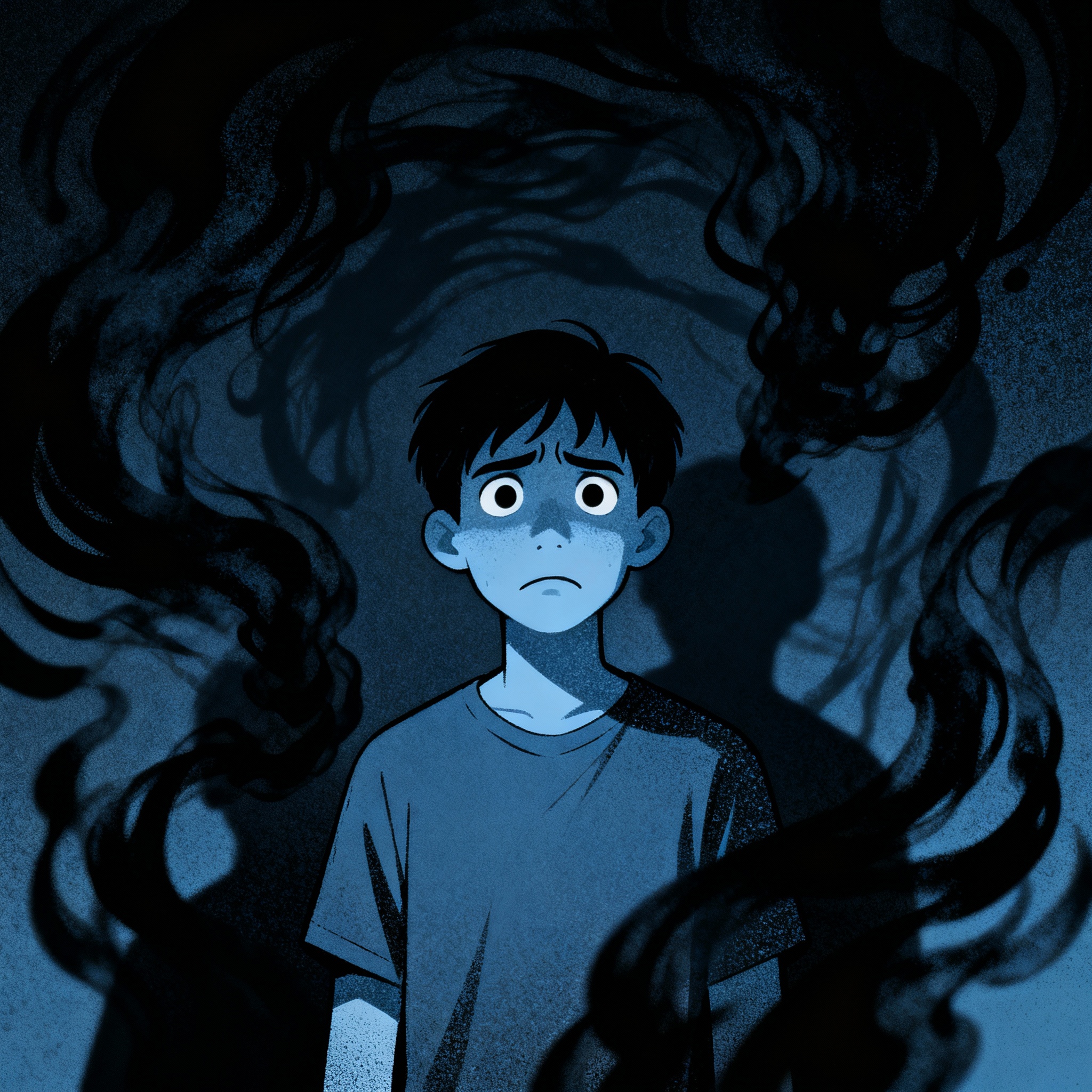
Anxiety is a natural, adaptive response to stress that has helped humans survive threats throughout evolution. However, when worry becomes excessive, persistent, and interferes significantly with daily functioning, it may indicate an anxiety disorder. The key distinction is that normal anxiety is proportionate to the situation and temporary, while anxiety disorders involve disproportionate worry that persists even when there's little or no real threat. Anxiety disorders are the most common mental health conditions, affecting 42.5 million adults in the U.S., yet they remain highly treatable. With proper understanding, treatment, and self-management strategies, people with anxiety disorders can achieve significant symptom reduction and reclaim their quality of life.
What is Anxiety?
Anxiety disorders are characterized by excessive nervousness, fear, apprehension, and worry that persists over time and significantly impacts daily life. Generalized Anxiety Disorder (GAD) involves persistent, excessive worry about various everyday matters—health concerns, work performance, relationships, finances—even when there's little objective reason for concern. The worry feels uncontrollable and is often accompanied by physical symptoms. Unlike normal worry that comes and goes, GAD creates constant background anxiety that colors your entire experience of life.
GAD specifically affects about 6.8 million adults (3.1% of the population), with women twice as likely to be affected as men. However, the broader category of anxiety disorders—including panic disorder, social anxiety disorder, and specific phobias—affects nearly one in five adults. Anxiety disorders often begin in childhood or adolescence, though they can develop at any age. Without treatment, anxiety tends to be chronic and can worsen over time, but with appropriate intervention, recovery is very possible.
Common Symptoms
Physical symptoms include: persistent muscle tension, restlessness and feeling keyed up, chronic fatigue despite rest, sleep disturbances (difficulty falling or staying asleep), excessive sweating, trembling or shaking, rapid heartbeat or palpitations, shortness of breath or feeling smothered, dizziness or lightheadedness, and gastrointestinal problems including nausea or diarrhea.
Emotional and mental symptoms include: excessive, uncontrollable worry about multiple areas of life, difficulty controlling the worry despite attempts, irritability and feeling on edge, difficulty concentrating or mind going blank, anticipating the worst in situations, and hypervigilance to potential threats. For a formal GAD diagnosis, symptoms must persist for at least six months and significantly interfere with daily functioning in work, relationships, or other important areas.
Treatment Options
Cognitive Behavioral Therapy (CBT) represents the gold-standard, most effective form of psychotherapy for anxiety. CBT helps you identify anxiety-triggering thought patterns, challenge distorted thinking, and develop more balanced, realistic perspectives. Exposure and Response Prevention (ERP) gradually exposes you to anxiety-provoking situations in a safe, controlled environment, helping you learn that feared outcomes rarely materialize and that you can tolerate the anxiety until it naturally decreases.
Medications, particularly Selective Serotonin Reuptake Inhibitors (SSRIs) like fluoxetine (Prozac) and sertraline (Zoloft), are FDA-approved for anxiety disorders. Other options include SNRIs like venlafaxine (Effexor) and anti-anxiety medications like buspirone. While benzodiazepines provide rapid relief, they're typically reserved for short-term use due to dependency risks. Medication works best when combined with therapy, addressing both the neurological and psychological aspects of anxiety.
Relief and Coping Strategies
Practice Slow, Diaphragmatic Breathing: When anxious, breathing becomes rapid and shallow. Counter this by breathing slowly—inhale for a count of four, hold for four, exhale for four. This activates your parasympathetic nervous system, triggering relaxation. Stay Present with Mindfulness: Anxiety pulls you into future catastrophizing. Ground yourself in the present moment through mindfulness meditation, focusing on immediate sensory experiences. Regular Exercise: Physical activity reduces anxiety as effectively as medication for many people. Even 20-30 minutes of moderate exercise daily significantly decreases symptoms. Limit Caffeine and Alcohol: Both substances can trigger or worsen anxiety. Caffeine stimulates your nervous system, while alcohol disrupts sleep and can cause rebound anxiety. Progressive Muscle Relaxation: Systematically tense and release muscle groups to release physical tension that perpetuates anxiety. Keep a Worry Journal: Writing worries helps externalize them, identify patterns, and problem-solve effectively rather than ruminating. Build Social Connections: Isolation worsens anxiety. Connect regularly with trusted friends and family, or join support groups where you can share experiences with others who understand.
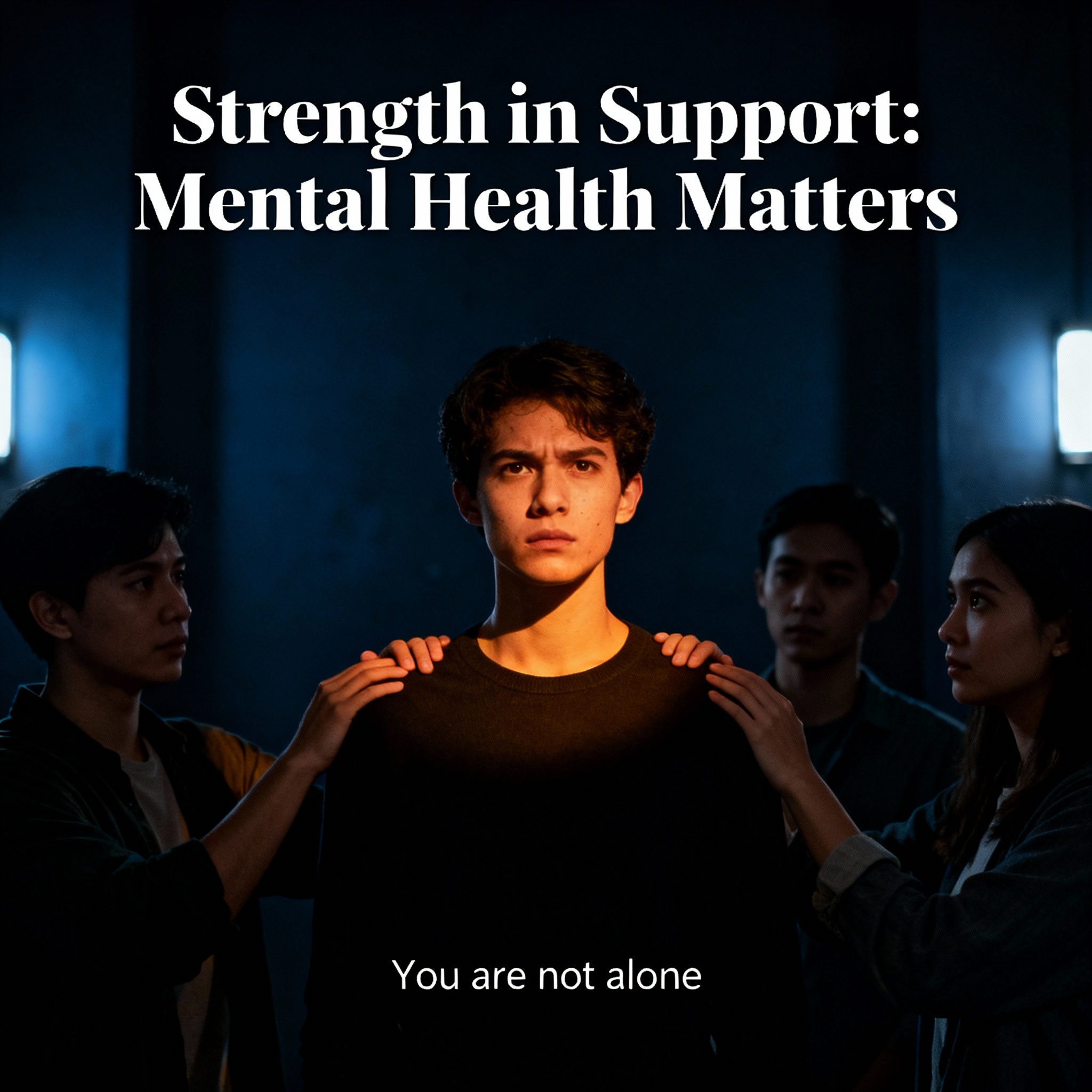
Remember: Anxiety is highly treatable—you don't have to live with constant worry. With the right combination of professional treatment and self-care strategies, you can significantly reduce symptoms, regain control, and dramatically improve your quality of life. Recovery is possible, and millions have successfully overcome anxiety to live fulfilling lives.
Related Articles


References & Sources
- Anxiety and Depression Association of America
- National Institute of Mental Health
- Mayo Clinic - Anxiety Disorders
- American Psychological Association